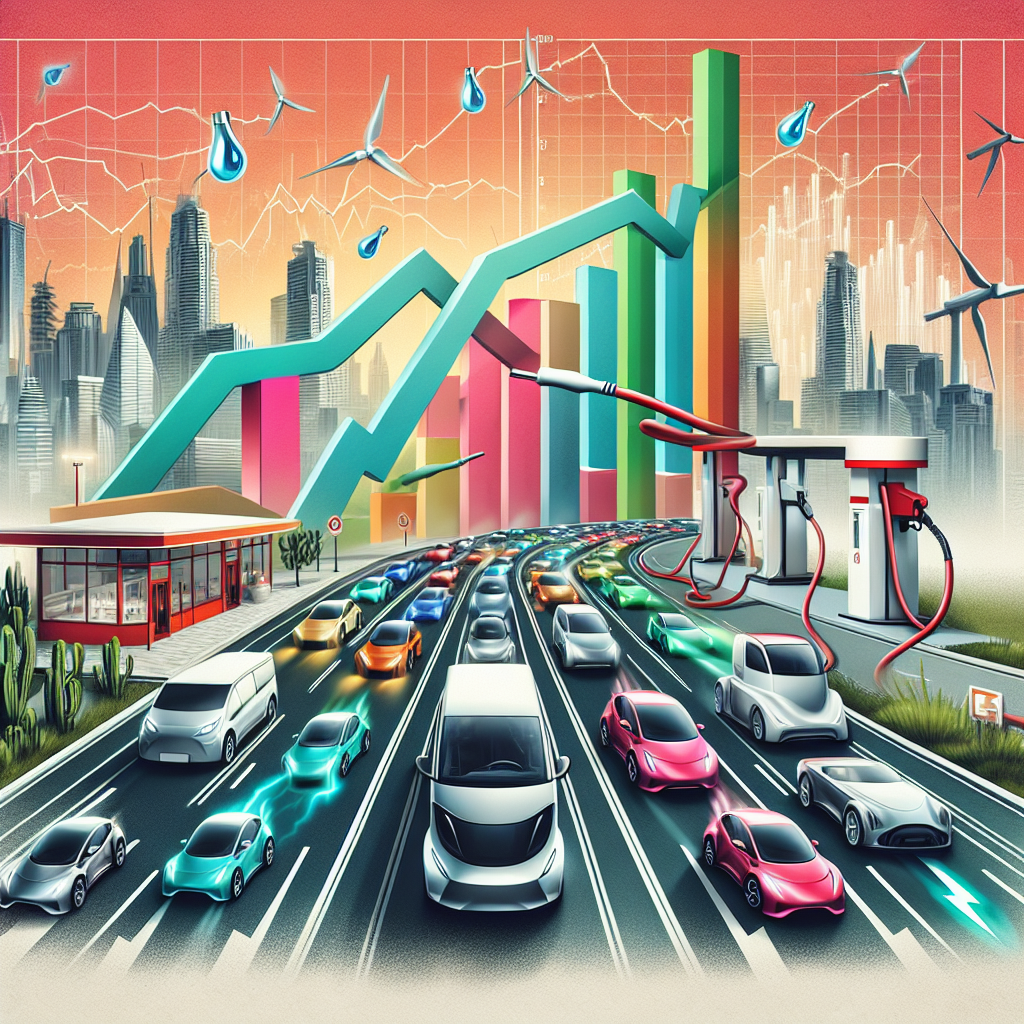
With the price of gasoline reaching new heights, many Filipinos are re-evaluating their transportation options. The shift towards electric vehicles (EVs) is becoming increasingly evident as consumers look for more sustainable and cost-effective alternatives. This trend not only reflects changing consumer preferences but also highlights the ongoing evolution of the automotive landscape in the Philippines.
Cost-Effectiveness and Environmental Benefits
The rising cost of traditional fuel has prompted a surge in interest in electric vehicles, which offer lower operating costs over time. EVs typically have fewer moving parts, translating to reduced maintenance expenses. Furthermore, their reliance on electricity can shield owners from the volatility of fuel prices, making them an attractive option for budget-conscious consumers.
In addition to financial benefits, electric vehicles contribute positively to the environment. They produce zero tailpipe emissions, which is particularly relevant in urban areas grappling with pollution. As discussions around climate change and sustainability intensify, the appeal of eco-friendly transportation continues to grow.
Government initiatives aimed at promoting electric mobility also play a crucial role in this shift. Various policies, including incentives for EV buyers and investments in charging infrastructure, are being implemented to support the transition towards greener vehicles. These measures not only encourage consumers to make the switch but also foster a more robust EV ecosystem within the country.
Challenges Ahead for Electric Vehicle Adoption
Despite the promising outlook for electric vehicles in the Philippines, several challenges remain. One of the most significant hurdles is the initial cost of EVs, which can be prohibitively high for many potential buyers. Although prices are gradually decreasing, the affordability of electric vehicles still lags behind that of traditional gasoline-powered cars.
Moreover, the availability of charging stations is another critical factor influencing consumer decisions. While urban areas are beginning to see more charging infrastructure, rural regions often lack the necessary facilities, limiting the practicality of EV ownership outside major cities. As the market continues to evolve, addressing these barriers will be essential for facilitating widespread adoption.