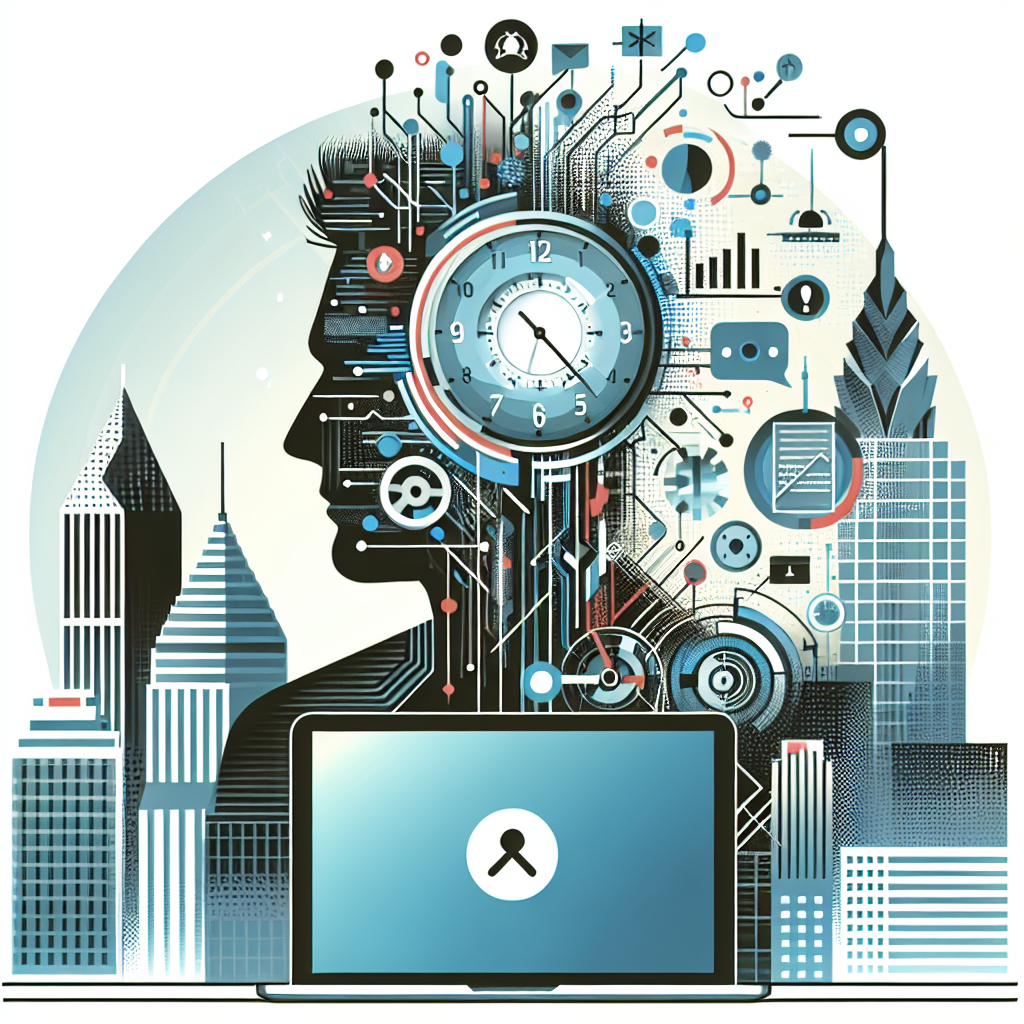
In today's fast-paced world, anxiety has emerged as an almost ubiquitous condition, affecting people from all walks of life. From the bustling streets of Manila to the serene landscapes of rural provinces, the weight of unease is felt by many. The pressures of modern life—be it work-related stress, social expectations, or the relentless pace of technology—can trigger feelings of anxiety that seem to strike anytime, anywhere.
In the Philippines, a nation known for its resilience and vibrant culture, the increase in anxiety cases has raised concerns among health professionals and communities alike. The COVID-19 pandemic has undoubtedly exacerbated these feelings, with lockdowns and social distancing measures leading to isolation and uncertainty for countless individuals. As a result, mental health has taken center stage in discussions about overall well-being.
Understanding the Roots of Anxiety
Anxiety can stem from various sources, including environmental factors, genetic predispositions, and personal experiences. In the Philippines, the interplay of economic challenges and societal pressures contributes significantly to heightened anxiety levels. Many individuals find themselves grappling with financial instability, job insecurity, and the challenges of balancing family responsibilities.
Moreover, the impact of social media cannot be overlooked. With the rise of digital communication, individuals are often subjected to constant comparisons and unrealistic expectations, leading to feelings of inadequacy and stress. The pressure to present a perfect life online can intensify anxiety, making it difficult for people to disconnect and find solace.
Coping Mechanisms and Support
Recognizing the signs of anxiety is the first step toward managing its effects. Common symptoms may include restlessness, difficulty concentrating, and physical manifestations like a racing heart or shortness of breath. For many, talking about these feelings with friends or family can provide a sense of relief. However, it is essential to seek professional help when anxiety becomes overwhelming.
Fortunately, various coping strategies can assist individuals in managing their anxiety. Mindfulness practices, such as meditation and yoga, have gained popularity as effective ways to cultivate a sense of calm. These practices encourage individuals to focus on the present moment, allowing them to detach from racing thoughts about the future.
Community and Connection
Support groups and community initiatives have also emerged as valuable resources for those dealing with anxiety. By connecting with others who share similar experiences, individuals can find comfort in knowing they are not alone in their struggles. Many organizations in the Philippines are dedicated to promoting mental health awareness and providing resources for those in need.
"It’s important to remember that seeking help is a sign of strength, not weakness."
As society continues to confront the realities of mental health, there is a growing recognition of the importance of open conversations about anxiety. Advocating for mental health education in schools and workplaces can foster a more supportive environment, allowing individuals to feel empowered in addressing their mental well-being.
In conclusion, while anxiety may seem like an ever-present challenge, there are pathways to understanding and managing it. By acknowledging the factors that contribute to anxiety and embracing available resources, individuals in the Philippines can take meaningful steps toward improving their mental health. As the conversation around mental health continues to evolve, building a culture of openness and support is crucial for a healthier, happier society.