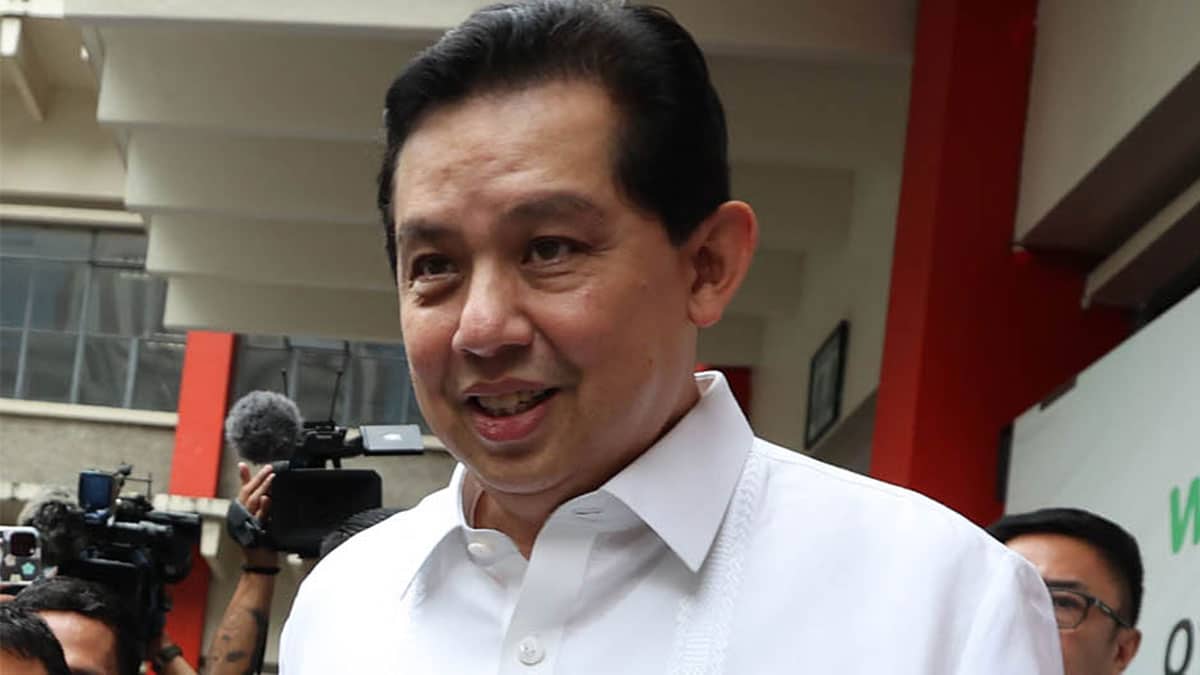
Ombudsman Takes Action Against House Speaker
The Office of the Ombudsman in the Philippines has successfully secured a court order that prohibits House Speaker Martin Romualdez from leaving the country. This development comes as the Ombudsman intensifies its investigation into allegations surrounding corruption linked to the national budget.
Romualdez's Response to Allegations
In response to the court's decision, Romualdez's camp has firmly denied any accusations of misconduct. They have highlighted the absence of any formal complaints filed against him, suggesting that the investigations may be unfounded. This assertion raises questions about the nature and validity of the allegations that have prompted the Ombudsman to take such drastic action.
Implications of the Court Order
The court order not only restricts Romualdez's ability to travel but also signals the seriousness with which the Ombudsman is approaching the investigation. As one of the key figures in the Philippine government, Romualdez's situation has garnered significant media attention, drawing public scrutiny regarding the transparency and accountability of government officials.
Political Context and Reactions
Some observers have speculated that this situation may reflect broader political tensions within the current administration. In a recent statement, Romualdez hinted at potential conflicts within the executive branch, suggesting that the corruption allegations could be a strategic move against him. He remarked, "Don’t force me to squeal," implying that there may be more to the story than what has been publicly disclosed.
Public Trust and Government Accountability
The ongoing investigation and the court's ruling have sparked discussions among the public regarding issues of trust and accountability in government. As citizens demand greater transparency from their leaders, incidents like this can significantly impact public perception of the political landscape in the Philippines.
Next Steps for Romualdez and the Ombudsman
As the investigation progresses, it remains to be seen how Romualdez will navigate the challenges posed by the Ombudsman's actions. Legal experts suggest that he may seek to challenge the court's order, but the implications of such a move could further complicate his political standing. Meanwhile, the Ombudsman is expected to continue its inquiries, which could lead to additional revelations regarding budgetary practices and potential mismanagement within the government.
Conclusion
The situation surrounding House Speaker Martin Romualdez is evolving, with significant implications for both his political future and the integrity of the Philippine government. As the public awaits further developments, the case underscores the importance of accountability in public service and the role of oversight bodies like the Ombudsman in maintaining the rule of law.