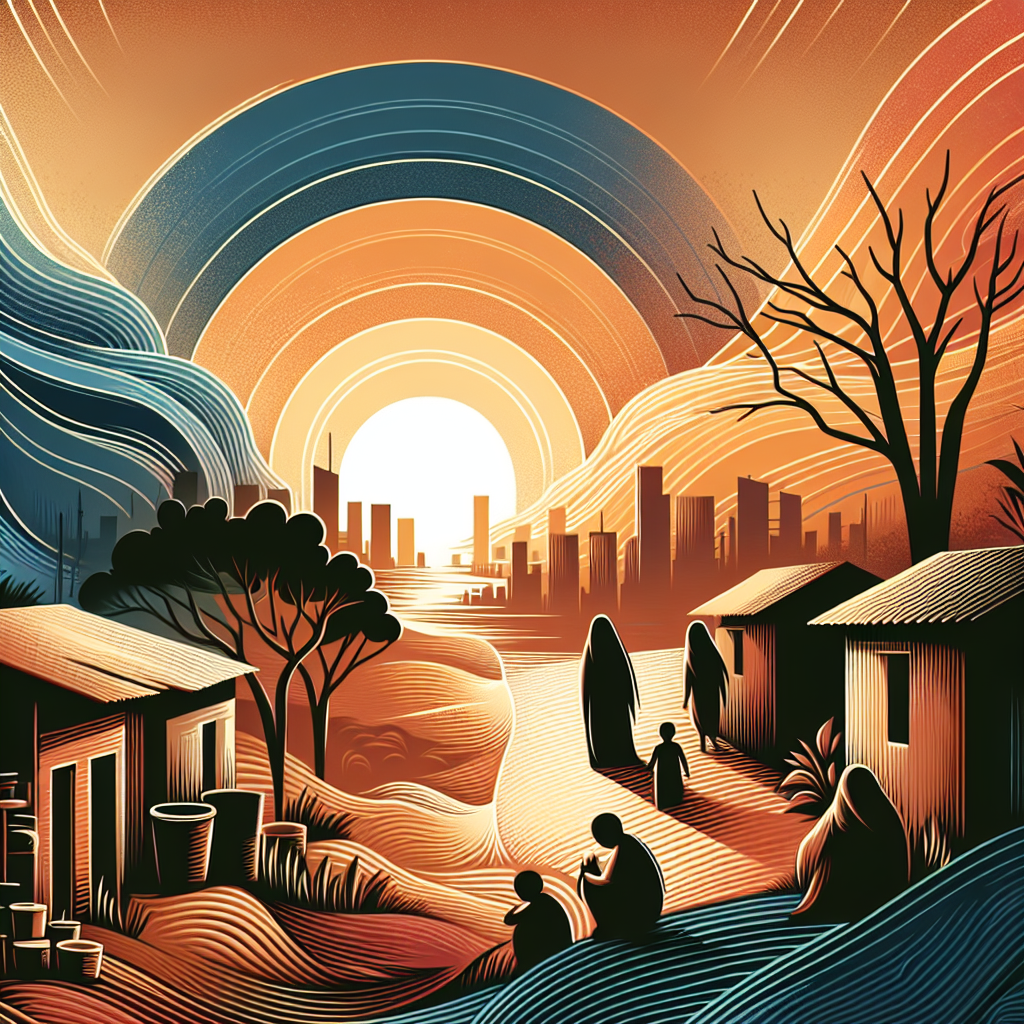
The Reality of Poverty in the Philippines
Poverty remains a pressing issue in the Philippines, affecting millions of families across the archipelago. As of the latest reports, approximately 16.6% of the population lives below the national poverty line, a statistic that reflects the ongoing struggles faced by many. The challenges include inadequate access to education, healthcare, and employment opportunities, which perpetuate a cycle of poverty that is difficult to escape.
Resilience in the Face of Adversity
Despite these hardships, many Filipinos have developed a remarkable resilience. This resilience often manifests in various forms, from community support systems to entrepreneurial ventures that aim to provide for families. Filipinos are known for their ability to find joy in small things, often celebrating life despite the challenges. This spirit of 'bayanihan'—a tradition of communal unity and cooperation—has been a cornerstone of Filipino culture, allowing individuals to support one another in times of need.
A Sense of Acceptance
However, an unsettling trend has emerged: a growing acceptance of poverty as a way of life. Many individuals, especially in rural areas, have come to view their circumstances as unchangeable. This mindset can stem from a lack of access to resources or opportunities that might inspire hope for a better future. As a result, some Filipinos may feel resigned to their situation, believing that systemic change is unlikely.
The Role of Government and Policy
Government initiatives aimed at alleviating poverty have seen mixed results. While programs such as the Pantawid Pamilyang Pilipino Program (4Ps) have provided financial assistance to low-income families, critics argue that these measures are often insufficient to create lasting change. Many Filipinos feel that government policies do not adequately address the root causes of poverty, leading to a sense of hopelessness regarding future improvements.
Community Initiatives and Grassroots Movements
In response to the perceived inaction from the government, various grassroots movements and community initiatives have emerged. Organizations focused on sustainable development, education, and economic empowerment are gaining traction. These groups aim to uplift communities by providing skills training, financial literacy programs, and microfinance opportunities. Such initiatives not only help individuals improve their economic situations but also foster a renewed sense of hope and agency among community members.
Education as a Pathway to Change
Education is often cited as a key factor in breaking the cycle of poverty. Many families prioritize education as a means to provide their children with better opportunities. However, access to quality education remains a challenge, particularly in remote areas. Non-governmental organizations (NGOs) and private sector partnerships are working to bridge this gap, offering scholarships and building schools in underserved communities. These efforts aim to empower the next generation, instilling in them the belief that they can create change.
The Future: Hope Amidst Despair
While the current landscape may seem bleak, there is a growing movement of individuals and organizations dedicated to fighting poverty and creating change. The resilience of the Filipino people is evident in their determination to seek better lives for themselves and their families. As awareness grows and more initiatives take root, there is hope that the cycle of poverty may one day be broken.
Conclusion
The acceptance of poverty among many Filipinos highlights a complex interplay between resilience and hopelessness. While the challenges are significant, the spirit of the Filipino people remains unyielded. Through community efforts, educational initiatives, and a collective desire for change, there is potential for a brighter future. As the nation continues to navigate its socio-economic landscape, it is crucial to foster hope and support for those striving for a better tomorrow.