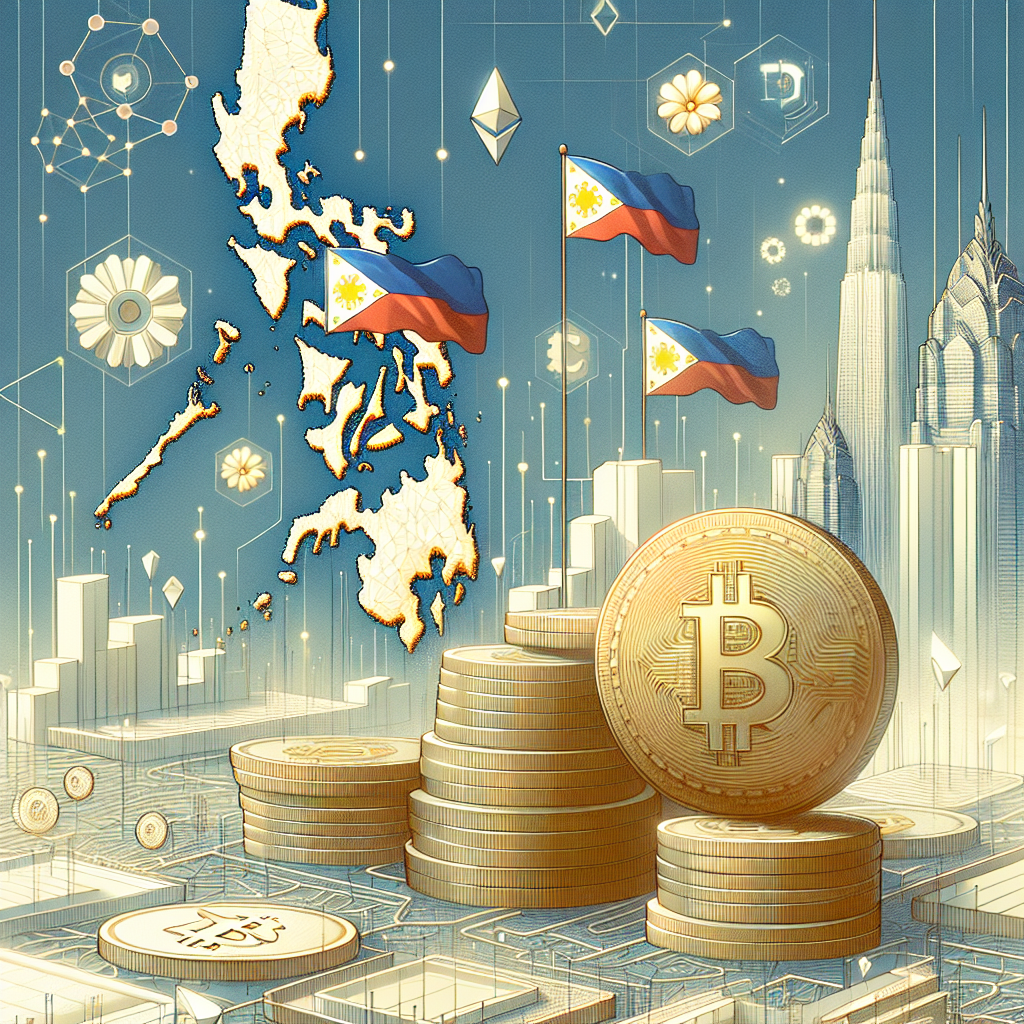
Understanding Cryptocurrency in the Philippines
Cryptocurrency has emerged as a revolutionary financial technology, offering an alternative to traditional fiat currencies. In the Philippines, where remittances play a crucial role in the economy, cryptocurrencies have begun to gain traction among both individuals and businesses. With a significant portion of the population unbanked, the potential for cryptocurrency to provide financial inclusion is immense.
The Current Landscape of Cryptocurrency
As of 2023, the cryptocurrency landscape in the Philippines is evolving rapidly. The Bangko Sentral ng Pilipinas (BSP) has recognized the importance of digital currencies and has implemented regulations to ensure consumer protection and promote innovation. The BSP has licensed several cryptocurrency exchanges, enabling Filipinos to buy, sell, and trade digital assets securely.
Popular cryptocurrencies like Bitcoin, Ethereum, and local tokens are becoming more accessible to the average Filipino. Many Filipinos are using cryptocurrency for various purposes, including investment, remittances, and online purchases. This trend is particularly notable among the younger population, who are more tech-savvy and open to adopting new financial technologies.
Investment Opportunities and Risks
Investing in cryptocurrency presents both opportunities and risks. On one hand, the potential for high returns has attracted many investors. The volatility of cryptocurrencies can lead to significant gains in a short period. However, this volatility also poses a risk of loss, making it essential for investors to conduct thorough research and understand the market dynamics.
Moreover, the lack of regulation in some areas can expose investors to scams and fraudulent schemes. It is crucial for individuals to exercise caution and only invest what they can afford to lose. Educational initiatives and resources are emerging to help Filipinos navigate the complexities of cryptocurrency investment.
Cryptocurrency for Remittances
Remittances are a vital aspect of the Philippine economy, with millions of Filipinos working abroad and sending money back home. Traditional remittance services often come with high fees and long processing times. Cryptocurrency offers a promising alternative, allowing for faster and cheaper transactions.
Several platforms are now facilitating remittances using cryptocurrencies, enabling overseas workers to send money to their families in the Philippines with minimal fees. This innovation not only saves money but also provides a more efficient way to transfer funds across borders.
The Role of Blockchain Technology
At the heart of cryptocurrencies lies blockchain technology, which ensures transparency, security, and decentralization. In the Philippines, blockchain is being explored for various applications beyond cryptocurrency. Industries such as agriculture, supply chain management, and healthcare are beginning to adopt blockchain solutions to enhance efficiency and accountability.
For instance, farmers can use blockchain to trace the origin of their products, ensuring quality and safety for consumers. This technology could revolutionize various sectors by providing a secure and transparent way to record transactions and data.
Future Prospects of Cryptocurrency in the Philippines
Looking ahead, the future of cryptocurrency in the Philippines appears promising. As more Filipinos become aware of digital currencies and their benefits, adoption is likely to increase. The government’s proactive approach to regulation and innovation will play a crucial role in shaping the cryptocurrency landscape.
Furthermore, as global trends shift towards digital currencies and central bank digital currencies (CBDCs), the Philippines may also explore its own digital peso. This could further integrate cryptocurrency into the mainstream financial system, providing more options for consumers and businesses alike.
Conclusion
Cryptocurrency is becoming an integral part of the financial ecosystem in the Philippines. With its potential to enhance financial inclusion, reduce remittance costs, and drive innovation through blockchain technology, it is essential for Filipinos to stay informed and engaged in this rapidly evolving space. As the country navigates the challenges and opportunities presented by cryptocurrency, the future looks bright for digital currencies in the Philippines.