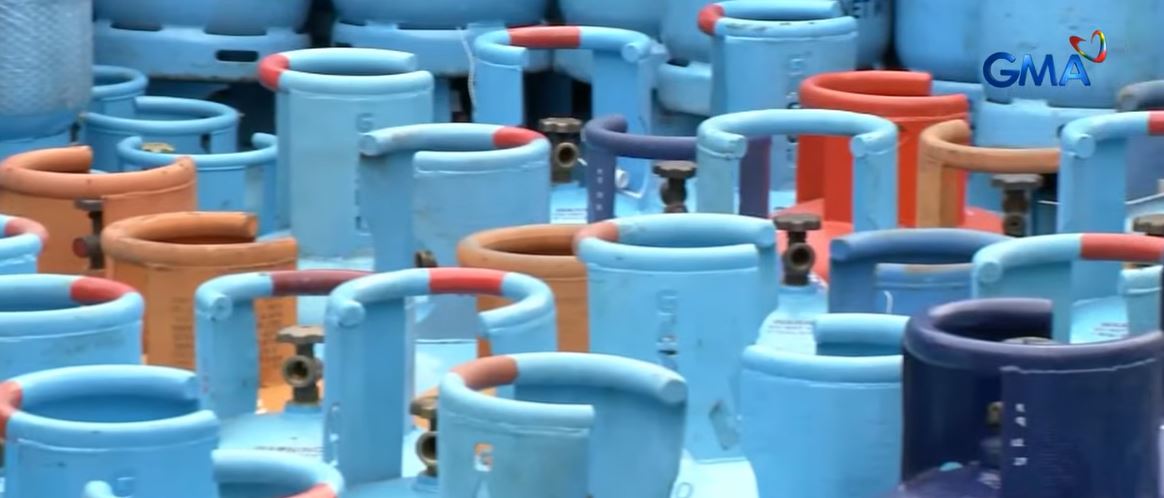
The Philippine government is taking proactive steps to bolster its energy resources by securing a significant shipment of liquefied petroleum gas (LPG) from the United States. This strategic acquisition, amounting to 21,000 metric tons, is aimed at ensuring a stable supply of LPG, which is essential for both domestic use and various industries across the nation. As the energy landscape continues to evolve, such measures are crucial for maintaining energy security in the Philippines.
The Department of Energy (DOE) and the Philippine National Oil Company (PNOC) have coordinated efforts to finalize this procurement. The decision comes amid ongoing concerns regarding fuel supply stability, particularly in light of increasing global energy demands and the impacts of geopolitical tensions on energy markets. By sourcing LPG from the U.S., the Philippines aims to diversify its energy sources and mitigate potential supply disruptions.
Domestic Fuel Supply Remains Stable
According to the DOE, the current domestic fuel supply remains adequate, primarily due to consistent delivery schedules and ongoing supply chain management efforts. The agency has emphasized that recent shipments, including the latest LPG acquisition, will further enhance the nation’s energy reserves. This is particularly important as the demand for LPG continues to grow, driven by both residential and commercial applications.
In addition to the LPG shipment, the Philippines has also received other fuel imports recently, including a substantial delivery of 52 million liters of diesel. These measures reflect the government’s commitment to ensuring that energy needs are met and that the economy can operate smoothly without interruptions. The DOE has assured the public that measures are in place to address any potential shortages and to keep fuel prices stable.
“Securing diverse sources of fuel is vital for our energy independence,” said a DOE spokesperson.
The Philippine government is also exploring further partnerships to enhance its energy supply chain. As energy requirements evolve and the global market fluctuates, these proactive strategies will play a key role in ensuring that the Philippines remains resilient in the face of energy challenges. The focus on securing reliable fuel sources is not only a response to immediate needs but also part of a broader strategy to enhance energy sustainability in the long term.