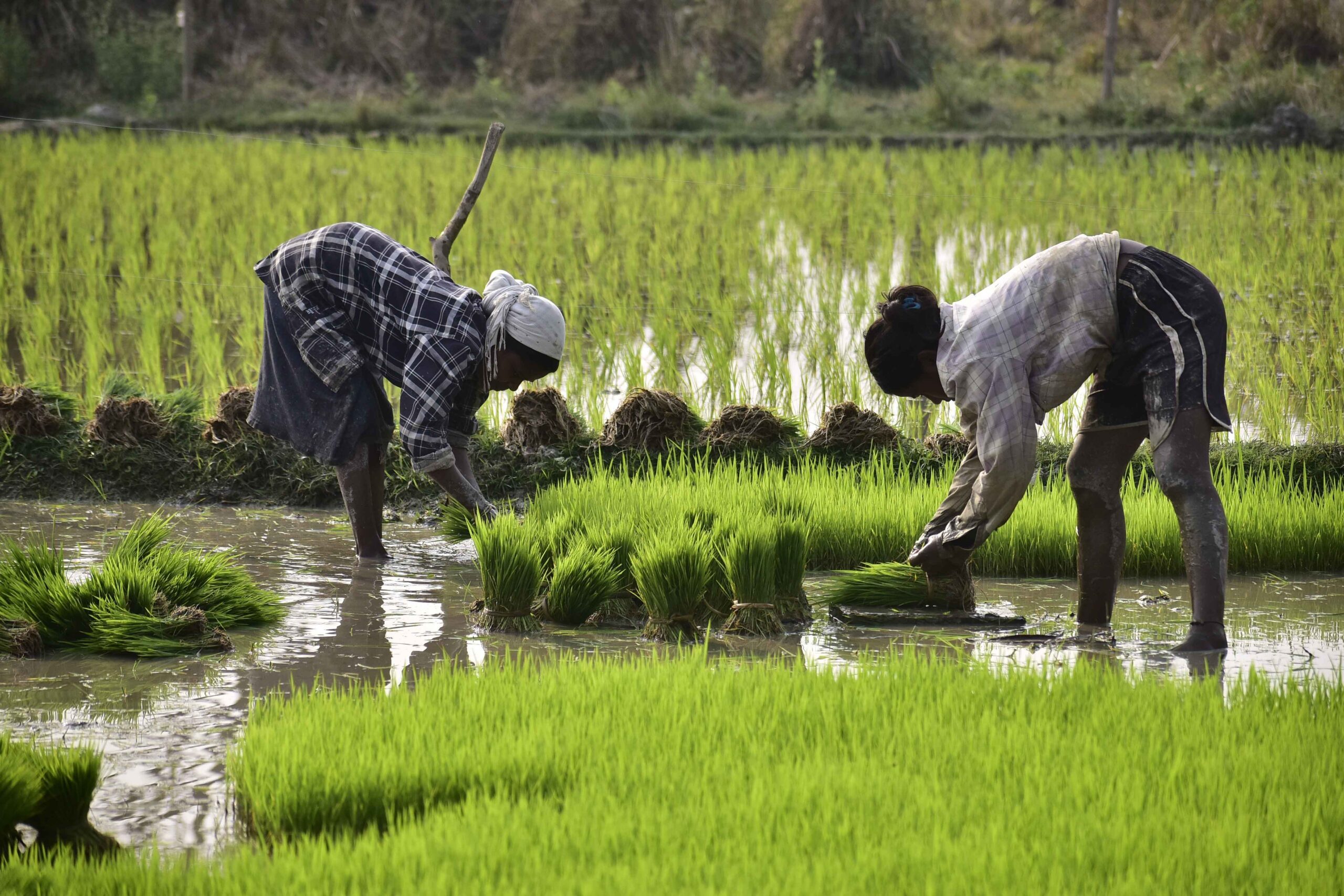
As the world gears up for what is expected to be one of the strongest El Niño events in recent years, agricultural experts are expressing significant concerns about the potential impacts on global crop yields. This climatic phenomenon, characterized by a periodic warming of sea surface temperatures in the Pacific Ocean, is projected to bring hotter and drier conditions to key agricultural regions, raising alarms for food security.
Recent forecasts indicate a 70% likelihood of El Niño developing in the northern hemisphere during the upcoming summer months. The implications for countries like the Philippines, where agriculture plays a crucial role in the economy, could be severe. The Philippines already faces challenges due to fluctuating weather patterns and rising costs of farming inputs.
Concerns Over Drought and Crop Yields
The last significant El Niño event in 2015-2016 resulted in widespread drought across Asia, severely affecting grain and oilseed production. Meteorologists are now warning that similar conditions could recur, with Southeast Asia being particularly vulnerable.
Chris Hyde, a meteorologist at Meteomatics, noted that early signs of dryness have already been observed in regions such as Australia and India. These areas are often among the first to show the effects of El Niño, and the current forecasts suggest a troubling trend for the upcoming months.
Furthermore, the potential for reduced monsoon rains in India could lead to diminished yields for staple crops such as rice, cotton, and soybeans. A decrease in soil moisture levels will likely also affect winter crops, compounding the challenges for farmers in these regions.
Every year, the Philippine agricultural sector faces its own set of unique challenges, and this El Niño event could exacerbate existing vulnerabilities. The potential for drought could hinder the country's ability to produce sufficient food supplies, thereby increasing reliance on imports.Fertilizer Shortages and Rising Costs
The ongoing conflict in the Middle East, particularly the war in Iran, is further complicating the agricultural landscape. The Strait of Hormuz, a vital route for global trade in fertilizers, has seen disruptions, leading to a shortage of urea and other essential agricultural inputs. This situation is likely to worsen as the El Niño phenomenon takes hold.
Farmers in Australia, a major wheat and canola exporter, are already scaling back their planting efforts due to inadequate rainfall and rising production costs. Pat Ryan, a farmer in New South Wales, lamented the lack of rain, stating, "Our season has completely collapsed." This sentiment echoes the concerns of many farmers grappling with the dual challenges of climate change and geopolitical tensions.
The implications of these developments extend beyond Asia. A strong El Niño could also influence weather patterns in Europe and the United States, potentially leading to excessive rainfall during critical harvest periods. Analysts warn that while some regions may benefit from increased precipitation, others may face significant disruptions that could degrade grain quality and reduce overall yields.
In the Philippines, where agriculture is vital for food security and economic stability, the situation calls for proactive measures. Farmers and policymakers alike must be prepared to adapt to the changing climate and its impacts on agricultural productivity. Understanding the potential ramifications of El Niño is essential for devising effective strategies to mitigate its effects.
The convergence of climatic and geopolitical factors presents a complex challenge for global agriculture. As the world watches the unfolding situation, the emphasis must be on preparedness and adaptability to ensure food security in the face of uncertainty.
For more information on this topic, please visit the original article at Rappler.